
CBD products are sensitive to environmental conditions, and the weather plays a much bigger role in preserving their quality than many people realize. Whether you live in a hot, humid region or a cold climate with freezing winter temperatures, improper storage can weaken CBD’s potency, flavor, and overall effectiveness.
CBD oils, gummies, capsules, and topicals all require proper temperature control to stay fresh. Understanding how weather impacts these products helps you store them safely and get the best results from every dose.
In this guide, we break down how heat, cold, humidity, and sunlight affect CBD—and share practical tips to protect your products year-round.
How Temperature Impacts CBD Stability
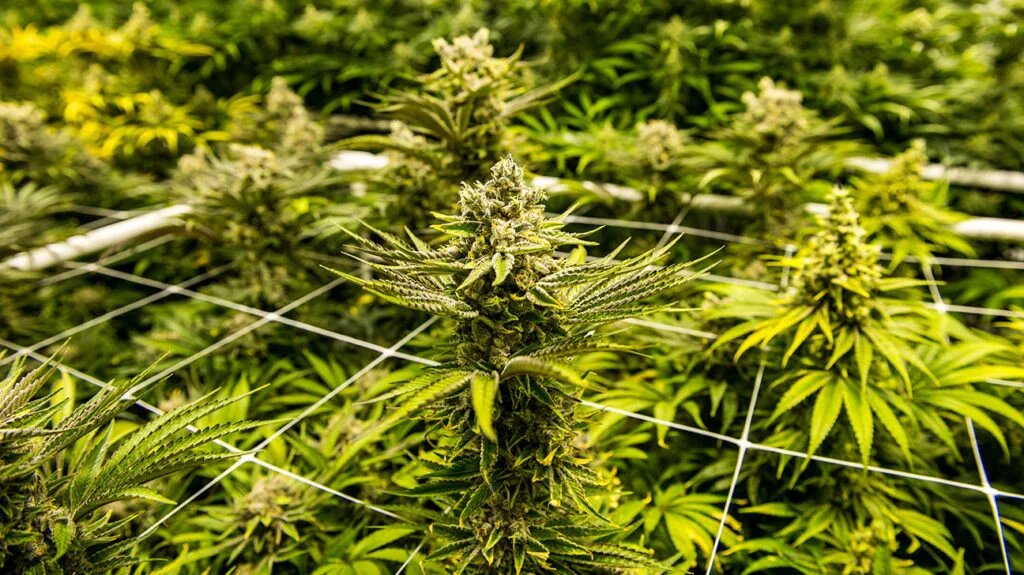
CBD is sensitive to extreme temperatures. When stored incorrectly, its cannabinoids, terpenes, and carrier oils can break down faster, reducing strength over time.
CBD typically stays stable between 16°C–22°C (60°F–72°F). Anything above or below this range can impact shelf life.
One line space.
Why High Temperatures Damage CBD
Heat accelerates the degradation process of cannabinoids. When CBD oil is exposed to high temperatures—such as in hot summers, closed cars, or near kitchen appliances—its chemical structure begins to break down.
Prolonged heat can cause:
- Reduced potency
- Changed flavor or smell
- Separation of oil components
- Darkening of the liquid
- A shorter shelf life
CBD gummies are even more heat-sensitive. They can melt, lose shape, and cause uneven dosing.
One line space.
Cold Weather Effects: Does CBD Freeze?
Cold weather doesn’t damage CBD the way heat does, but it can still create problems. Extremely low temperatures may cause:
- Thickening or cloudiness in CBD oil
- Crystallization in oil or vape liquids
- Hardening of gummies
- Slow separation of ingredients
Fortunately, these changes don’t usually affect potency—they mostly change texture. If CBD oil thickens in cold weather, simply allow it to return to room temperature.
Humidity and Moisture: An Overlooked Threat
Many people focus on heat and cold, but humidity is another important factor. High moisture levels can damage CBD edibles, capsules, and even oils.
One line space.
How Moisture Impacts CBD Oils and Gummies
Humidity can cause:
- Edibles to become sticky, mushy, or moldy
- Oils to grow microorganisms if the seal is broken
- Capsules to lose shape or dissolve
Storing CBD products in the bathroom or near humidifiers increases these risks. Dry, cool spaces are always best.
Sunlight Exposure: UV Damage to Cannabinoids
Weather doesn’t just mean temperature—sunlight plays a major role in CBD degradation.
CBD is highly sensitive to UV light, which breaks down cannabinoids and reduces potency fast. This is why CBD oils come in dark amber or green bottles, designed to block harmful rays.
Leaving CBD near windows, in a hot car, or outdoors—even for short periods—can accelerate damage.
One line space.
Signs Your CBD Has Been Damaged by Light
- Faded color
- Weak aroma
- Thinner or watery texture
- Reduced effects, even at the same dose
Keeping CBD away from direct sunlight is essential for maintaining quality.
Seasonal Tips for Storing CBD in Hot Weather
If you live in a warm or tropical climate, you must take extra steps to protect CBD products from heat.
One line space.
1. Store CBD in a Cool, Dark Cabinet
Choose a location far from ovens, stoves, heaters, and sunlight. A bedroom cabinet or closet works well.
One line space.
2. Avoid Storing CBD in the Car
Car interiors can reach 60°C–70°C (140°F–160°F) in hot weather—enough to degrade CBD oil within hours.
One line space.
3. Refrigerate Select CBD Products
Refrigeration can extend shelf life for:
- CBD oils
- Gummies
- Topicals with natural ingredients
Note: CBD oil may thicken in the fridge, but this is normal.
Winter Storage Tips: Protecting CBD in Cold Climates
For people living in freezing regions, CBD requires different types of care.
One line space.
1. Keep CBD Away From Freezing Temperatures
Don’t store your CBD in garages, cars, or outdoor delivery boxes. Freezing can affect texture and consistency, especially for:
- CBD oils
- Vape liquids
- Edibles
One line space.
2. Let CBD Warm Naturally
If your product arrives cold or looks cloudy, place it at room temperature for a few hours. Avoid using microwaves or direct heat—they can damage the formula.
One line space.
3. Avoid Windowsills and Drafty Areas
Cold air can fluctuate rapidly, causing condensation or ingredient separation.
Best Storage Practices for Year-Round Potency
No matter the climate, following smart storage habits ensures your CBD products stay safe, fresh, and effective.
One line space.
Use These Universal Rules:
- Store CBD in its original container
- Keep it in a cool, dark, dry place
- Tightly seal bottles and jars after every use
- Avoid touching droppers to your mouth or hands
- Use airtight containers for gummies and edibles
- Check expiry dates regularly
Proper storage can make CBD last up to 12–24 months depending on the product.
How to Tell If Your CBD Has Gone Bad
Weather damage often leads to noticeable changes in your CBD products.
Here are the most common signs:
- Sour or unusual smell
- Cloudiness that doesn’t go away at room temperature
- Change in taste
- Mold on gummies or edibles
- Leaking or swollen packaging
- Weak effects even at high doses
If you notice any of these, it’s safer to stop using the product.
Why Proper Storage Protects Your Health and Wallet
CBD isn’t cheap—and extreme weather can ruin products quickly. Correct storage helps you:
- Maintain potency and effectiveness
- Avoid wasting money on spoiled CBD
- Ensure consistent dosing
- Protect the quality of natural ingredients
- Extend the shelf life of oils, edibles, and topicals
A little care goes a long way toward preserving your investment.
Read Also : How to Choose the Right CBD Cream Strength for Your Needs
Conclusion
Weather plays a significant role in the stability and effectiveness of CBD products. Heat can break cannabinoids down, cold can change texture, humidity can cause mold or spoilage, and sunlight can weaken potency. By understanding how your climate affects CBD storage, you can take practical steps to protect your oils, gummies, capsules, and topicals throughout the year.
Whether you live in a hot desert region, a humid tropical area, or a cold winter climate, the key is simple: keep your CBD in a cool, dark, and dry place. Proper storage ensures your products stay powerful, fresh, and safe—so you get the full benefits every time.